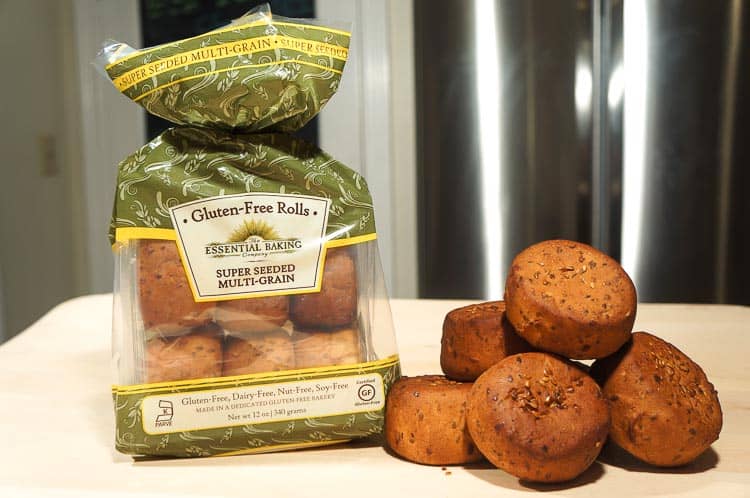
Gluten-Free Product Review: Essential Baking Super Seeded Multi-Grain Rolls

As you know, I don’t get too excited about gluten-free baked goods. Most commercial brands are okay, but not amazing. GF bakers continue to make great strides when it comes to flavor, texture, and even lifespan for these products, which is why I test new products I see. When I saw Essential Baking’s Super Seeded Multi-Grain Rolls, I decided they looked enough to, well, eat.

And they were good. The flax and sunflower seeds gave the rolls a great mouth-feel — the rolls had body and texture — while the slightly sweet flavor complemented the grains. The rolls also contain a good amount of fiber, which is always a nice addition. They surprised me…and my husband. Normally he tolerates gluten-free baked goods, but he actually requested the Essential Baking rolls a second time. There’s an endorsement right there! Continue reading “Gluten-Free Product Review: Essential Baking Super Seeded Multi-Grain Rolls”

Condiments Beyond Mustard

Last week, I confessed my love for mustard. But you know the old saying: woman cannot live on mustard alone. Thankfully, there are many other condiments — gluten-free condiments! — that are ready, willing, and able to serve as you prepare delicious meals.

Because my weeknight dinners are always quick meals, a stash of condiments helps me add flavor, create sauces, and fix mistakes quickly. Even if dinner is just a plain chicken breast or piece of fish, the right condiment can turn ordinary meals into something delicious in mere moments. Continue reading “Condiments Beyond Mustard”

On Mustard

I am going to introduce a controversial topic here: my favorite condiment.

I won’t keep you guessing. I love mustard beyond all reason. My refrigerator is an embarrassment of mustard styles. Except honey mustard. I don’t understand the concept of honey mustard. Heck, I’m teetering on the edge of making my own mustard (someone, anyone, push me!).

For the record, I am not a ketchup fan. I wouldn’t even have the stuff in my house if it weren’t for the sake of maintaining a happy marriage. Someone I married a dude who reflexively ketchups just about potato item he sees. To each his own, I suppose.

In addition to the tangy heat mustard naturally has, it’s a low-calorie condiment. Unlike, oh mayo, a condiment I’ve been learning to love in moderation. And, of course, unless things have gone horribly wrong, mustard is gluten free, making it something you can trust in your kitchen.

Here are some ideas for incorporating mustard into your cooking repertoire (though I’d be remiss if I didn’t say that one of my favorite party dishes is sausage with a mustard dip):

  • Barbecue Sauce: Yeah, I love my mustard in barbecue sauces. I’m not alone. Use this sauce on everything. Literally. Everything.
  • Braised Dishes: I love to braise chicken in a mustard sauce. Even more than enjoying the sauce with that night’s dinner, I love having leftover sauce for lunches. This is a perfect comfort food dish. Serve the chicken over rice, potatoes, or quinoa.
  • Cream Sauces: The chicken dish above is essentially a cream sauce, but what about other cream(y) sauces? Like, oh, this delicious sounding egg dish with mustard-creamed spinach. Skip the breadcrumb topping unless you have gluten-free crumbs handy (I keep the ends from Udi’s loaves in freezer to make breadcrumbs on the fly).
  • Marinade: Dry mustard, Dijon, or even a traditional yellow mustard are perfect additions to marinades. Pork, fish, and chicken are perfect candidates for mustard-based marinades. I’ve even made lamb chops this way.
  • Mashed Potatoes: Oh yeah! Is there a reason why you shouldn’t add mustard to your mashed potatoes? No, not a single one.
  • Meat Rub or Glaze: Of course, you know the fun of including dry mustard in your spice rubs. But what I love is using it as a coating for pork chops or salmon. If you’re breading your pork chops, incorporate the mustard into base layer.
  • Potato Salad: My favorite potato salad features a tangy mustard-based vinaigrette instead of a creamy mayonnaise dressing (you could add a bit of mayo or Greek yogurt if you like that creaminess). The warm potatoes absorb lots of flavor from the vinaigrette, so be sure to reserve some for tossing with the potatoes right before serving. Needless to say, a grainy Dijon is perfect here!
  • Stews: I add mustard to crockpot dishes like braised beef or pork. Again, the tanginess enhances flavors. When I make a beef stew, mustard is one of my secret ingredients.
  • Veggie Flavor Enhancer: Mustard can be used in many ways to amp up the flavor of vegetables. It’s great with Brussels sprouts, and, confession, I’d probably mix up my own honey mustard for roasted Brussels sprouts. Or, if I weren’t in a sweet mood, this recipe from Michael Symon would do the trick.

What are your favorite ways to use mustard? Tell me!

Tip of the Week

Mustard, due to the vinegar used to make it, lasts a good long time (well, beyond the “enjoy by” date given by manufacturers). You can store an unopened container in your pantry for about a year. Store opened containers in the refrigerator for about a year. Do not use mustard where the liquid has significantly separated from the other ingredients or mustard, gone dark, and/or that smells “off”.

Menu of the Week

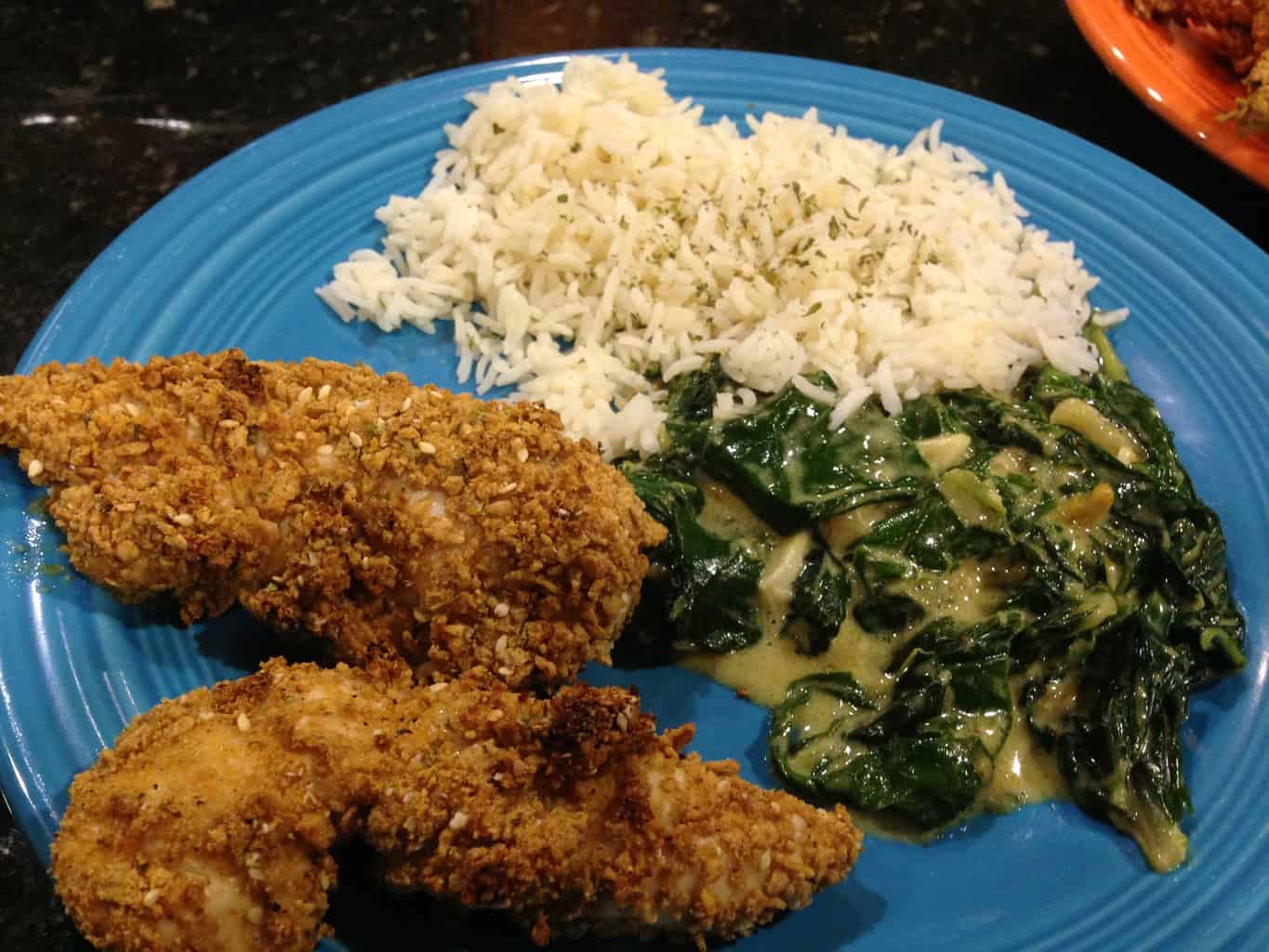
Of course, this week’s menu features lots of mustard! The chicken in the Dijon sauce is a favorite of mine — you can customize the dish for any style of chicken you like. It also makes incredible leftovers. Spoon a bit of the sauce over rice and make your mouth happy!

The addition of mustard to the creamed spinach amps up the flavor — bitter greens are greatly enhanced with a bit of mustard. I prefer to use coconut milk instead of the traditional cream because I like the subtle sweetness it brings to a dish.

  • Chicken with Dijon Sauce
  • Mustard-Coconut Milk Creamed Spinach
  • Rice or Potatoes for Absorbing Extra Sauce
Making Mashed Potatoes Even Better!

It’s probably no secret that I am a carb eater. Rice, potatoes, and, in the old days, sourdough bread were always the stars of my eating repertoire. While things have changed in my world, they haven’t changed that much. I still believe potatoes are one of nature’s (gluten-free) perfect foods.

And in my pantheon of potato dishes, I rank mashed potatoes at the top. Not only are they delicious, but they also remind me of my grandmother, an amazing cook. Even my mother, a dedicated non-cook, makes great mashed potatoes. It’s clearly a family tradition! Continue reading “Making Mashed Potatoes Even Better!”

10,000 Steps Starts with One Step at a Time

Though I didn’t realize it at the time, the worst part of my life, pre-celiac diagnosis, was the the exhaustion. I was tired all the time, and, yet, thought it was normal. Extreme fatigue after a full eight, ten, even twelve hours of sleep seemed to be my fate (and forget trying fewer hours…I was a zombie for a couple of years!).

A few weeks after I’d eliminated gluten, I realized something amazing: the fatigue was gone. It had been so much a part of my life that it took me some time to notice its absence. One day I realized I wasn’t fighting to drag myself out of bed in the morning. Continue reading “10,000 Steps Starts with One Step at a Time”

Gluten-Free Labels on Naturally Gluten-Free Foods

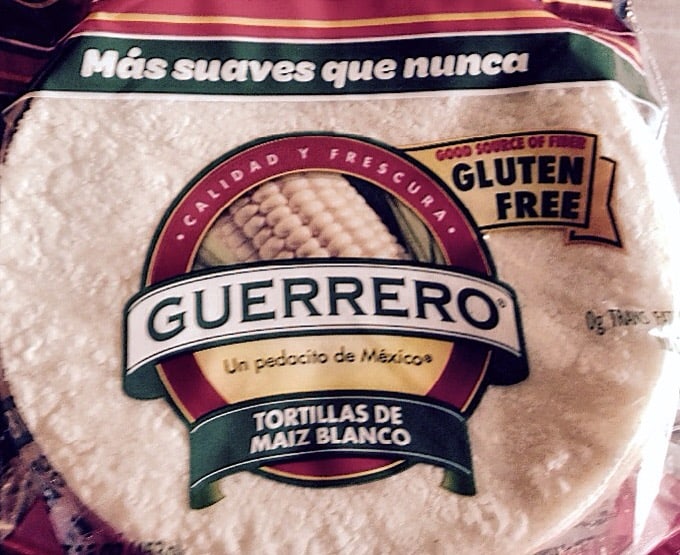
You’ve heard the jokes about gluten-free food labeling. You’ve made the jokes! “Why does it say gluten free? It’s a corn tortilla! Of course, it’s gluten free.”

In theory, this is true. The very short list of ingredients in a traditional corn tortilla do not include items that include gluten. Masa, water, salt. Simple.

Yet I make it a point to buy corn tortillas with gluten-free labels. Continue reading “Gluten-Free Labels on Naturally Gluten-Free Foods”

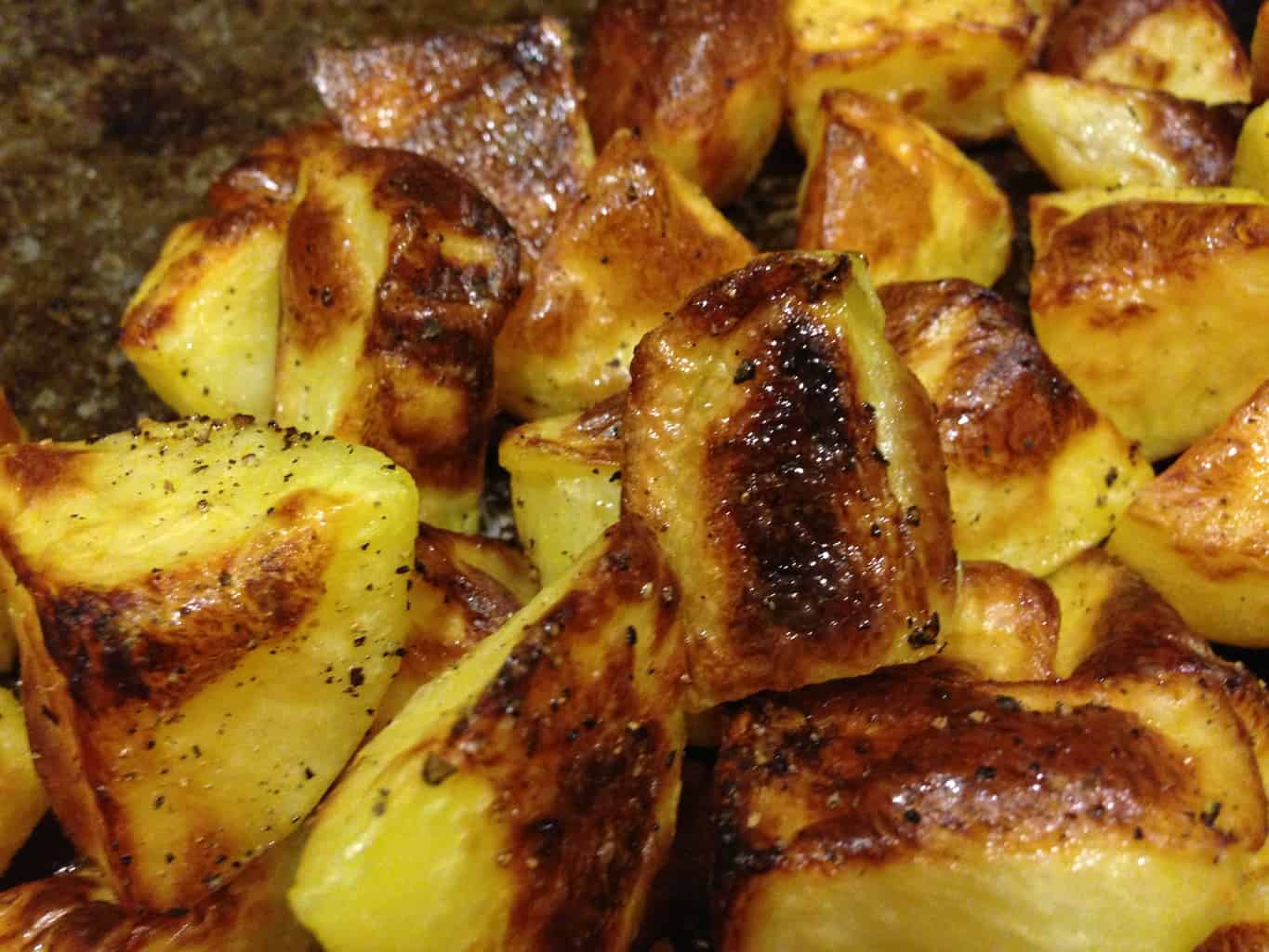
Roasted Potatoes

Needless to say, when it comes to carbs, potatoes are my first (and second!) choice. I love them in all forms, but since I’ve given up most restaurant french fries due to the possibility of gluten cross-contamination, I tend to eat my crispy potatoes at home.

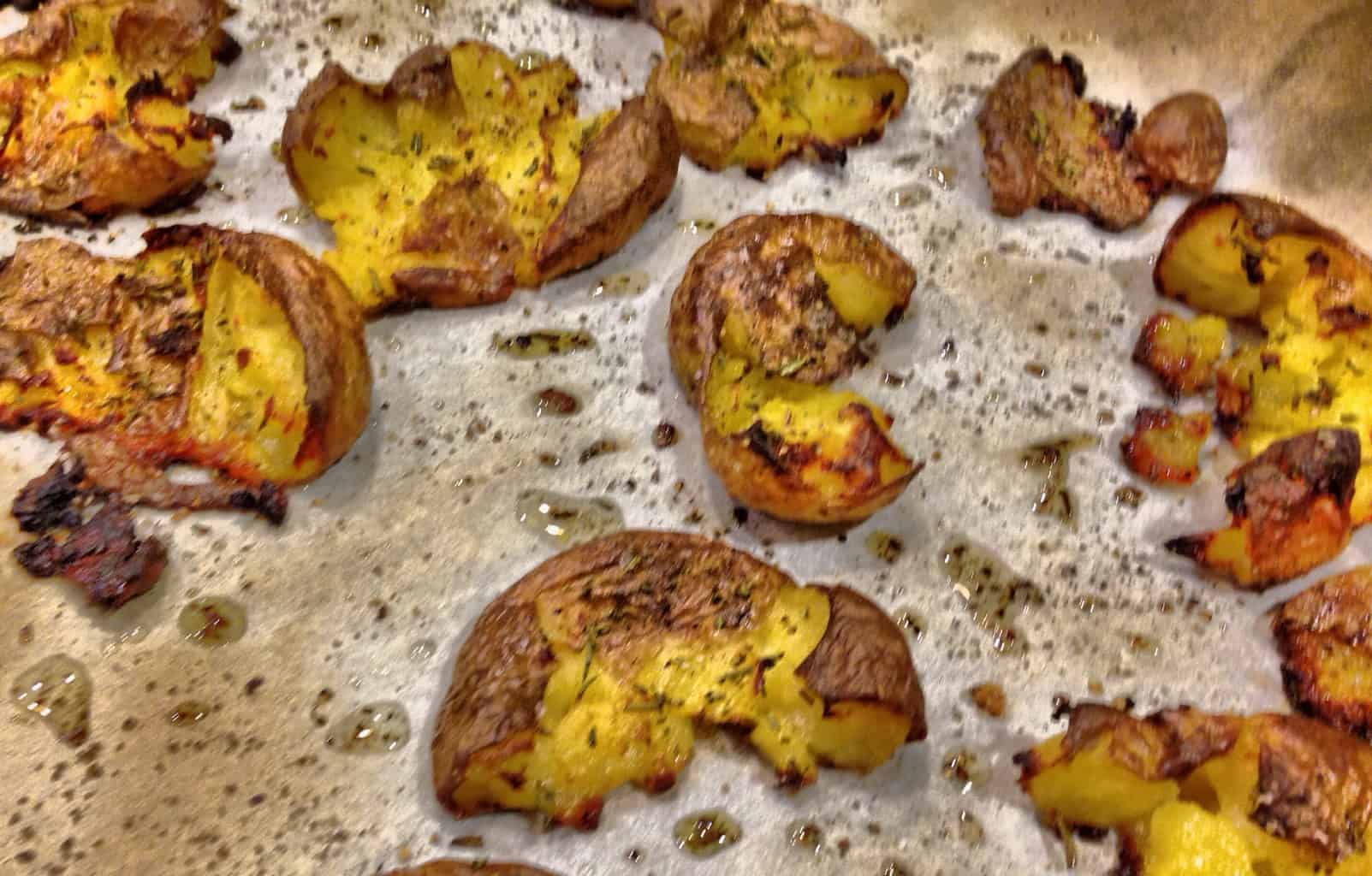
The key to a perfect roasted potato is this: parboil before roasting. Parboiling starts the cooking process, meaning the potato will be cooked on the inside when the outside is done. Parboiling also releases starches necessary for crispy exteriors.

This recipe works equally well for oven fries! Note that you can season your potatoes with anything, from a simple salt and pepper with olive oil glaze to an aioli crust. Mmm, that sounds so good right about now.

Tip of the Week

Roasting vegetables requires high heat, making your outdoor grill perfect for this task. To make it easier to turn the veggies on a hot grill, place them on skewers before grilling. And remember that denser veggies like potatoes will require more cooking time than vegetables like asparagus (here’s a quick reference guide).

Menu of the Week

In Southern California, it’s almost always grilling season, so I tend to think about cooking outside whenever I cook certain cuts of meat. A flank steak with a chimichurri sauce is a perfect signal that it’s time to set up the outside table!

While I like to dip my potatoes in the chimichurri, you can make a quick creamy ranch-style dressing with mayonnaise, sour cream or greek yogurt, and a bit of seasoning. This can offset the garlicky, peppery heat of the chimichurri sauce!

  • Grilled Flank Steak with Chimichurri Sauce
  • Roasted Salt and Pepper Potatoes
  • Grilled Corn on the Cob or Grilled Stone Fruit