Gluten-Free Blog

Zucchini Fritters

One day, as I was shredding potatoes for hash browns, I had an epiphany. A little one, but an epiphany nonetheless. I realized I needed to squeeze all the excess water out of the potatoes before cooking them. Now, based on what I see on the Internets, *everybody* already knew this somehow. I guessed I missed a memo.

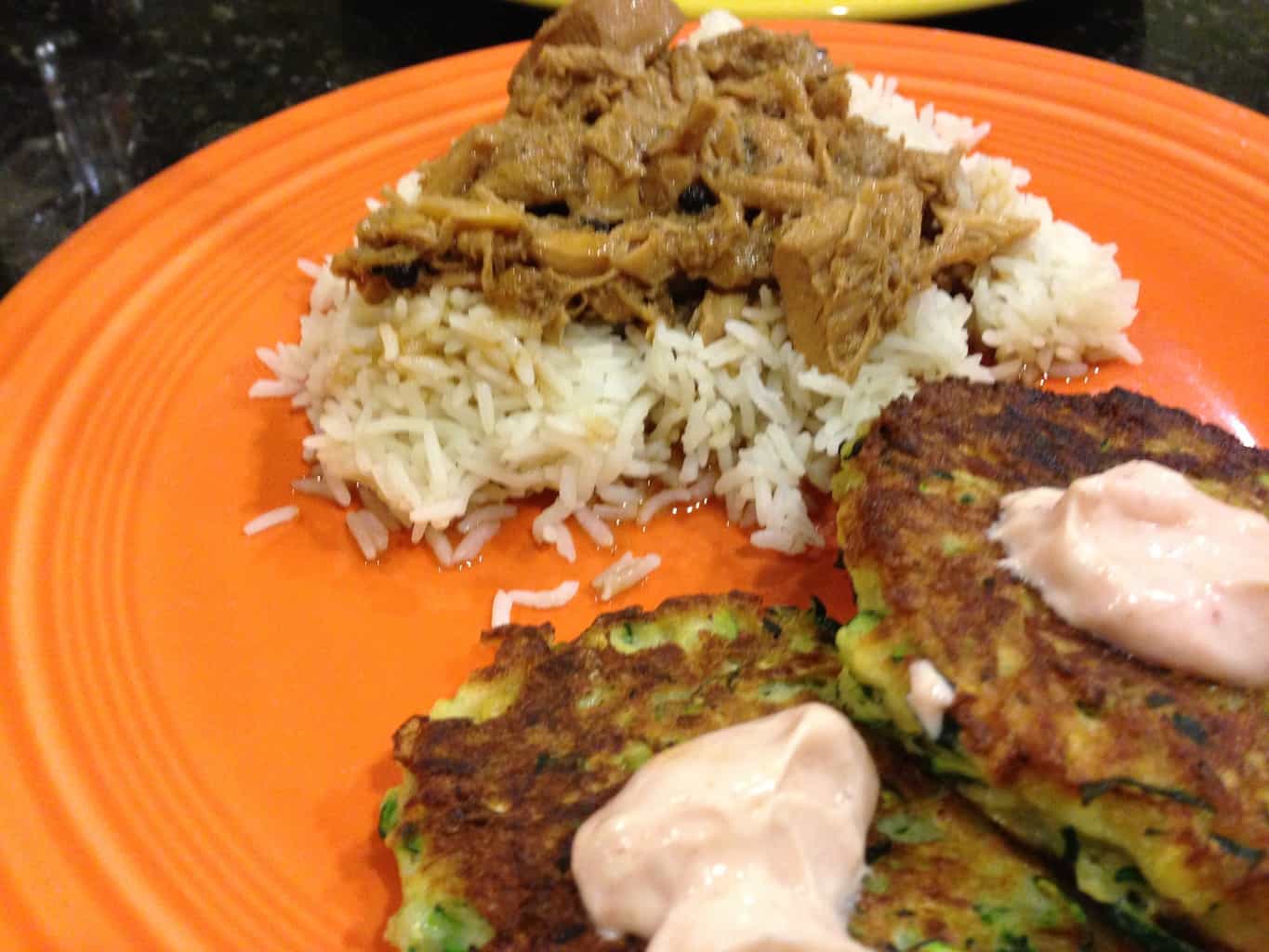
So, putting two and two together — never let it be said that I don’t catch on quickly — I realized I needed to do the same thing for zucchini when making fritters. It is fascinating to discover how much liquid is in a zucchini. And making fritters is a tasty way to make zucchini interesting again. Seriously…it’s been coming on strong all summer, and I don’t think there’s an end in sight!

If you make too many fritters, you can freeze and reheat in the oven. If you’re looking for a party appetizer, make smaller fritters. The best part of this recipe? Nobody will ever know they’re gluten-free. I love delicious recipes that showcase GF-specific ingredients — the lack of gluten doesn’t mean a lack of flavor.

When researching this recipe, I discovered a few recipes featuring freshly grated Parmesan cheese, and one that used feta. I think cheese is always a good idea! Now, given my druthers, I’d go with the feta (and skip any additional salt), but it’s always good to have options. Also, you can make the dipping sauce however you like. I use Greek yogurt all the time, so naturally gravitate in that direction.
Chicken Adobo

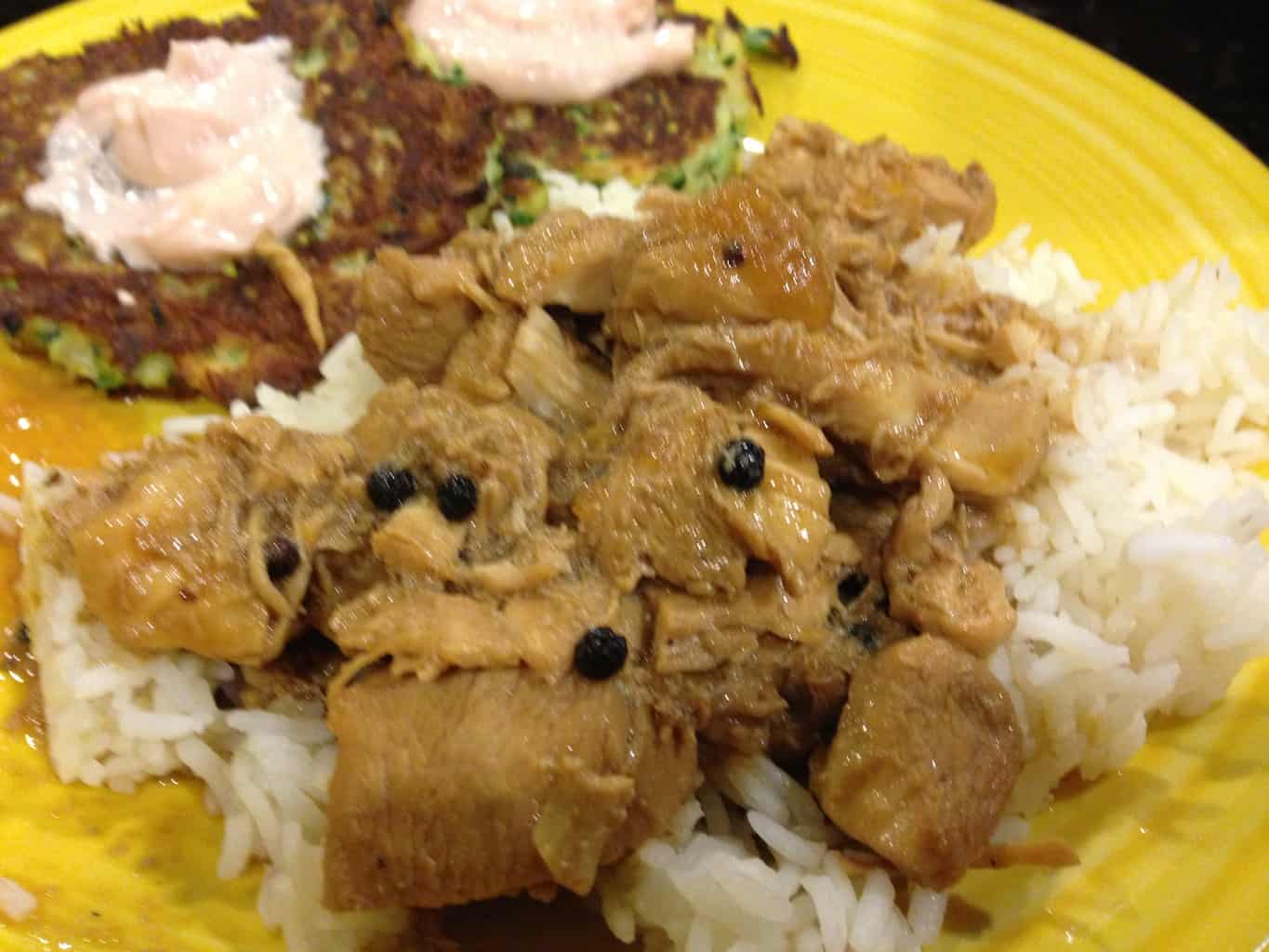
This classic Filipino dish is also a classic chicken dish: chicken, vinegar, rice (and a few other things). A friend who detests vinegar makes an exception for chicken adobo — it reminds him of home.

Traditionally, this recipe is made with bone-in chicken, but I will confess that I’ve used boneless chicken breasts or thighs. This has the effect of making the sauce less rich — the effect of cutting the bone-in chicken into smaller pieces is the release of marrow, the stuff that makes this dish more delicious.

The large amount of vinegar in this recipe creates a tangy sauce. Adjust as necessary (remembering that it’s the vinegar that makes this adobo!) or substitute a mellower vinegar for the white vinegar. Cooking reduces the harsh edges of vinegar, just leaving the tanginess.

Your GF Pantry: Chicken or Vegetable Stock

Many of my recipes — heck, many of the recipes of great chefs! — call for the addition of chicken or vegetable stock. I use a lot of stock (mostly chicken) in my cooking. It’s a great way to add flavor to rice dishes, such as pilaf, potatoes, sauces, soups, and, well, just about everything. A few years ago, I realized I needed a) buy stock (ha!) in the companies that make these fine products, or b) start making my own stock.

Needless to say, I went with option B.

I’m a gluten-free cook, and my goal is to make everything as delicious as possible. Using a richly flavored stock in lieu of plain water adds another layer of flavor to any dish. Making my own allows me to control flavors and salt levels. I find commercial stocks to be overly salty, especially when I’m using them in recipes that already have lots of flavor.

Making stock is pretty simple: bring some water with your stock base in it to a boil, lower heat, simmer for a while. Easy, no?

Seriously, it is that easy. I generally keep two bags in the freezer to make my stock base: one to collect chicken carcasses for chicken stock (I use the roasted bones from a rotisserie chicken most often; roasted bones tend to give the stock a richer golden color). The bag holds vegetable trimmings for vegetable stock. When stock-making day rolls around, I set a big pot of water a on the back burner and let my stock base do its thing. I then ladle my stock into one-cup size freezer containers.

When it comes to active work time, I’m spending about a half hour. The rest happens on my stove. Best of all? I never find myself in a panic because the recipe I’m making calls for stock…and my pantry is empty.

Of course, every Thanksgiving, I toss the turkey carcass into my stockpot. This help replenish my freezer since I use a lot of chicken stock while making the main meal. To be honest, “checking” on the stock also gives me a bit of a respite from family after a long day. They say a watched pot never boils, but it sure does simmer just fine.

I also love using a light shrimp stock in dishes — when you’re peeling your uncooked shrimp, set the shells aside, toss them in about two cups of water and let simmer for up to an hour. For added flavor, toast your shrimp shells in a bit of olive oil, add some onions and celery, and let simmer until reduced by half. You can freeze what’s left over.

So tell me about your favorite recipes incorporating stock — and some of your favorite types of stock (other, ahem, than the kind that make you lots of money!).

Menu Planning Tips for Gluten-Free Cooks

Until I quit gluten, I was a bit of a “hey, whatever” person when it came to menu planning. In the back of my mind, there was generally a vague idea. So vague, we ended up eating out a lot more than was good for our wallets.

There did come a time when I correlated eating out with feeling bad and eating at home with feeling good. I have a theory that I instinctively cooked foods that didn’t make me sick. You’d think it would not have taken me so long to figure out that gluten was a serious problem, wouldn’t you?

Now I plan a bit more carefully because while I enjoy the social aspects of eating out, sometimes it’s just more work for me — deciphering menus! quizzing waitstaff! — than I’m in the mood for. Plus I like that I can control little things like portion size, calories, and even levels of salt when I cook at home.

Because I have a crazy schedule, I build in options for days when I have to stay late at the office, when it’s just too hot to consider cooking, or when the fruit I’m planning to use gives up the ghost for no good reason (I kid: the fruit always has a good reason…usually me waiting too long!).

When I plan meals for the week, I consider variety (fish, veggies, red meat, chicken) and the potential for leftovers — I prefer to pack leftovers for my lunch, and so whatever I make for dinner has to be good enough for lunch.

I also try to introduce a new item into our menu every week. This week, it was za’atar, a spice blend (sumac, sesame seeds, thyme and other seasonings — apparently, there is no definitive recipe for za’atar), which I used to season roasted broccoli. I can’t wait to try it on chicken!

You can be as formal or casual as you want when it comes to menu planning. Some people — and I admire them so! — create formal grids, detailing all meals being prepared (including a leftovers schedule). Others (ahem, me) jot a few notes on an index card. Whatever your approach, knowing how food will get on the table every day of the week will make your gluten-free life so much easier.

I promise.

Here are a few tips for menu planning:
[unordered_list style=”tick”]

  • Set aside a specific time every week to do planning, recipe review, and research. This can be as little as 30 minutes, or as long as two hours (you know who you are, person who loves reading about food!). Create your shopping list after you’ve planned the menu.
  • Identify tried-and-true recipes to populate your menu. Sure I try new things, but, as I’m sure is true for most households, I tend to rely on about a dozen or so meals that work well for us.
  • If you clip/save recipes, create a system for retrieval, both for online recipes and paper items. Hmm, this is advice I should follow more closely.
  • Pay attention to your schedule! If you’re running around with band practice, sports, errands, and other chores, chances are you won’t be able to put together an elaborate meal on a Wednesday night. Note the  time you have available for meal prep on a daily basis to make sure what you plan to serve fits your real-life schedule.
  • Plan for double-duty meals. If you’re making chicken one night, can you cook extra for a meal later that week? For me, I factor in lunches. I far prefer bringing my lunch most days, and knowing I have delicious leftovers really helps.
  • Determine which meals you’ll be cooking. In our house, we’re on our own for breakfast and most lunches, so I just need to make sure I have GF options for me for those meals (and that the husband has plenty of oatmeal in stock; he’ll either have leftovers or go out for lunch). This lets me focus on planning dinners only. Your household may vary.
  • Repeat your menus. There is no need to  create a brand-new menu every single week.
  • Keep pre-made meals or quick-and-easy recipe ingredients on hand for last minute schedule changes or emergencies. We all have them.
  • Knowing I have a plan for meals is a huge stress reliever. Not only do I plan what will be cooked, I make sure I have the necessary ingredients on hand. Nothing throws me off like discovering a crucial item is missing (like, oh, the chicken part of grilled chicken).

[/unordered_list]
What are your menu planning strategies? Any great tips? Let me know in the comments.

Basic Pesto Sauce

Basil is easy to grow, and I love the fragrance. It’s also the key ingredients in one of my favorite pasta toppings: pesto. As you can see from the recipe below, you can quickly throw together pesto using a few ingredients. In addition to making a quick vegetarian meal with pesto and pasta, I love to use pesto in other ways.

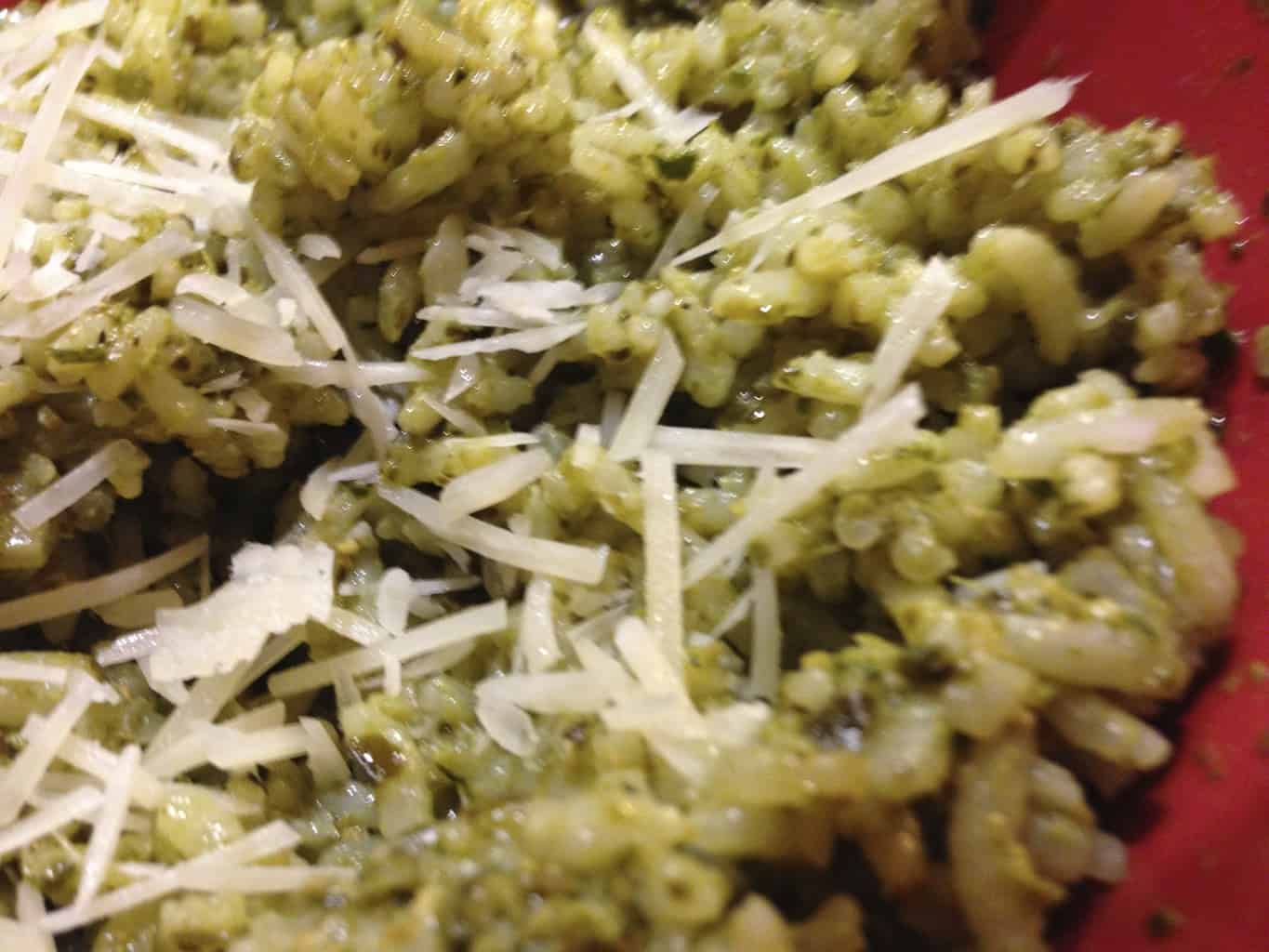
One favorite is as a topping for grilled salmon. Add a bit lemon juice or zest to your pesto and use a few spoonfuls on each serving of salmon. Another fun way to use pesto is mixed with steamed rice. It’s a nice break from ordinary, plain rice, and takes just moments to prepare. Mix pesto to taste into just-cooked rice and serve. Top with a bit of grated Parmesan for additional flavor.

Pesto is also open to new ingredients. You can use artichokes, kale, spinach, or other greens. Swap out the pine nuts for walnuts. Some red pepper flakes can add a bit heat if that’s what you’re looking for.

Miso-Sesame Salad Dressing

Despite the fact that two strong flavors are used in this dressing, it doesn’t overpower salads (though I do advising keeping the salad simple). I always have miso in my refrigerator, so this comes together in a few minutes. While I like cheese on my salad as much as the next person, I think it doesn’t work with this dressing — plus it increases the saltiness a bit too much.

While I’ve never encountered miso that isn’t gluten-free, do check labels carefully!

Accommodating Gluten-Free Guests at Parties and Gatherings

As a gluten-free guest, I always try to be considerate of the challenges faced by a party host. I host a lot of barbecues, impromptu feeds, and parties. Feeding a group of people isn’t easy, especially if you’re doing cooking, tending bar, and mingling at the same time. I never go to someone else’s house expecting the menu to cater to my dietary restrictions…and I’m always thrilled when the host makes an effort for me.

One thing I do at my parties is create a diverse menu to accommodate the various diets of my friends. I doubt most people realize that everything they eat at my house is completely gluten-free. In addition to gluten-free friends, we know vegetarians, vegans, people with lactose intolerance, people who only eat meat, diabetics, and chocoholics (man, talk about a tough group to please!). I like to make sure there is something for everybody on the table. It’s a challenge sometimes, but it’s also fun for me. Especially since I often accommodate several dietary restrictions in a single dish.

For those who are hosting gluten-free guests, there are many easy ways to feed your gluten-free without investing a lot of time and money into special foods. Yes, being gluten-free on a full-time basis requires a lot of effort, but trust me when I say your efforts, big or small, will be greatly appreciated. Continue reading “Accommodating Gluten-Free Guests at Parties and Gatherings”