Gluten-Free Blog

Flying Gluten Free

While I don’t travel as much as I used to, I love getting on a plane and heading going somewhere new. Or somewhere familiar, familiar enough to feel like home without the added benefit of a cat standing on my chest at 5 a.m. because, well, breakfast.

Breakfast, of course, leads nicely into the challenges of traveling gluten free, specifically while flying. For a short trip — say, the hour or so between Los Angeles and San Francisco — managing food isn’t much of a problem, though these days, even a short flight can translate to long hours. Getting to and from airports. Dealing with security. Even walking through the terminal takes time.

The husband and I used to have a tradition of eating breakfast at the airport when we had early flights. Now, generally, he indulges while I munch on a GF sandwich or other food I’ve brought along. This is because breakfast choices at most airport restaurants are limited…though this is improving as airlines and airports wise up to the fact that people are spending longer and longer in the terminals.

(Which leads to a shout-out to San Francisco’s airport — lots of great options for gluten-free diners!)

If it’s a cross-country flight, I go with one of two strategies: pack food and snacks (no soups or sauces, of course) or buy a pre-made salad once I get past security. Again, gluten-free sandwiches are a great choice. I also make GF wraps using rice paper wrappers and whatever filling I’m craving. While US-based airlines are improving their gluten-free options for domestic flights, I’ve had enough bad luck that I don’t count on this.

(Which leads to a question for American Airlines: is it really so hard to include GF potato chips among your snack choices?)

Where things really improve is on international flights. We flew Virgin Atlantic to Italy a few years ago, and while I was anxious about the gluten-free meal I ordered in advance (thank you online horror stories!), there were no hiccups. Ditto for a British Airways flight. Don’t think I didn’t pack some snacks just in case, though!

In order to make sure nothing goes wrong — though there are no guarantees! — I suggest the following:

  • When booking your flight, or soon thereafter, make sure you specify that you want a gluten-free meal. Most airlines ask that you order your meal 24 – 96 hours in advance. I suggest the 96-hour mark at the latest. Double-check your order when you check in for the flight.
  • Know that you can only order one type of special meal. So if you are gluten free and vegan, you only get one of those choices.
  • Check the airline’s website for a listing of onboard snacks/meals (depending on the length of the flight) and plan your BYOF strategy accordingly. Again, airlines are improving, but you need to be prepared.
  • If you’re bringing your own food, consider the length of the flight and how safely you can store your food to ensure you don’t get sick. Generally, you can bring small coolers/lunch boxes on the flight, but you probably won’t be able to get ice or ice-like products past security. While I’ve never had to try it, others have reported they’ve obtained ice from terminal restaurants.
  • Familiarize yourself with the rules and regulations set forth by the TSA, here and here.  and  If you’re traveling internationally, make sure you are not violating any local or other laws. For example, that great prosciutto you bought in Italy? It can’t be brought back to the US.

Now to get back to sending my husband telepathic signals about that anniversary trip to Hawaii I’m hoping he’s planning! What are your favorite strategies for flying while gluten free?

Tip of the Week

A great snack for flying is hummus with veggies. Freeze no more than 3-ounces of hummus before flying. It will be defrosted and ready to eat when you’re hungry! For more suggestions for in-flight meals and snacks, click here.

Menu of the Week

This week’s menu is ready to be packed into your carry-on bag! I love rice paper wraps because they taste great and feel virtuous. You’re probably familiar with spring rolls filled with lettuce/herbs, shrimp, and maybe seasoned veggies or rice noodles. Try other proteins, from tofu to finely sliced steak. You’ll have to skip the dipping sauce, so I lightly marinate my proteins to add a bit of flavor. Store the wraps in an airtight container with a slightly damp paper towel.

  • Rice Paper Wraps
  • Crispy Garbanzo Beans (if you can’t find them in grocery store, they are so easy to roast. Make them spicy, savory, or even slightly sweet. Here’s a great recipe if you don’t have one.)
  • Hummus and Veggies
  • Udi’s Gluten-Free Chocolate Chip Cookies (normally I don’t indulge in desserts, but these are perfect for pick-me-ups during flights)

Individual Nachos

I love nachos, but they don’t love me. If they did, then the platter wouldn’t be so overstuffed with deliciousness! It’s really hard to practice portion control when you’re facing all those chips.

To make my life easier, I love to make individual nachos. These handheld bites have everything that makes a nacho great: crispy corn tortilla chip, meat or beans or both, tangy salsa, cheese, sour cream, olives if you wish. They’re perfect for leftover meats like pulled pork. And, of course, they’re gluten free!

These nachos are also great for parties where you don’t want to serve a big messy platter of food. Figure three chips (or one corn tortilla) per guest, and load them up with your favorite toppings!

Leftovers: Pulled Pork Version

There are, I have learned, people out there who don’t adore leftovers. This baffles me — if it’s good enough to eat the first time, it’s surely just as good the second time. In fact, some foods are even better the second day!

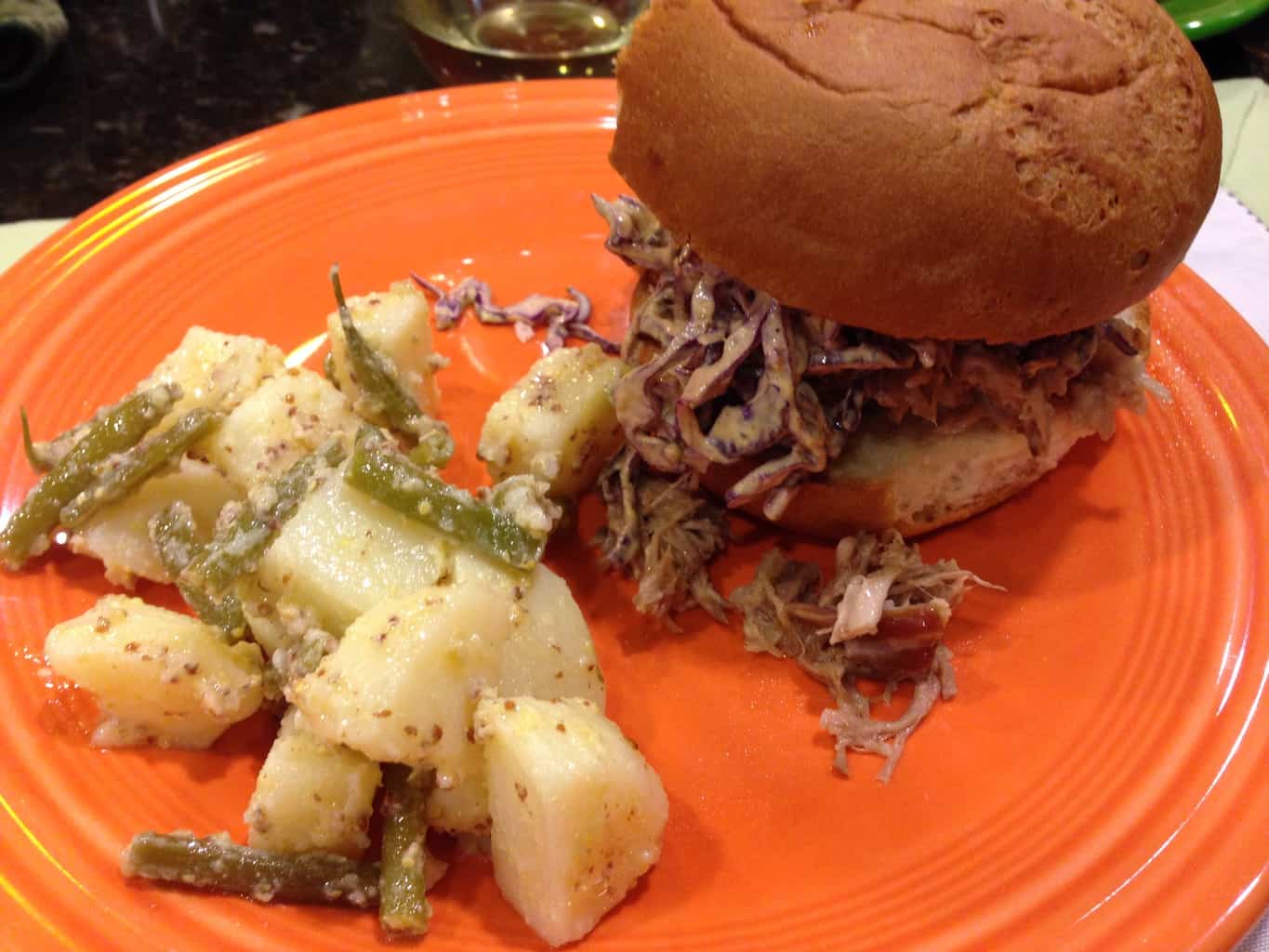
When I made pulled pork for the first time (and the second and third…), I naturally had way more pork than I needed. I only buy pork shoulder when it’s on sale, and it’s generally sold in 3-pound packages at my local store. After a day in the crockpot, the pork is falling apart and so tasty. It makes a fine (gluten free) pulled pork sandwich. Just add a huge spoonful of mustardy cole slaw!

But what to do with the leftovers? Below are some options, and this week’s menu idea features a recipe for one of my favorite ways to serve pulled pork:

  • The easiest solution for leftover pulled pork is to use it as a basis for carnitas. Carnitas are typically pork cooked in lard, pulled, and then fried, griddled, or baked until crispy on the edges. You can then use them in tacos, enchiladas, quesadillas, or burritos (here’s a recipe for gluten-free tortillas I’m dying to try!) And don’t forget the sopes from last week — leftover pulled pork is perfect with them.
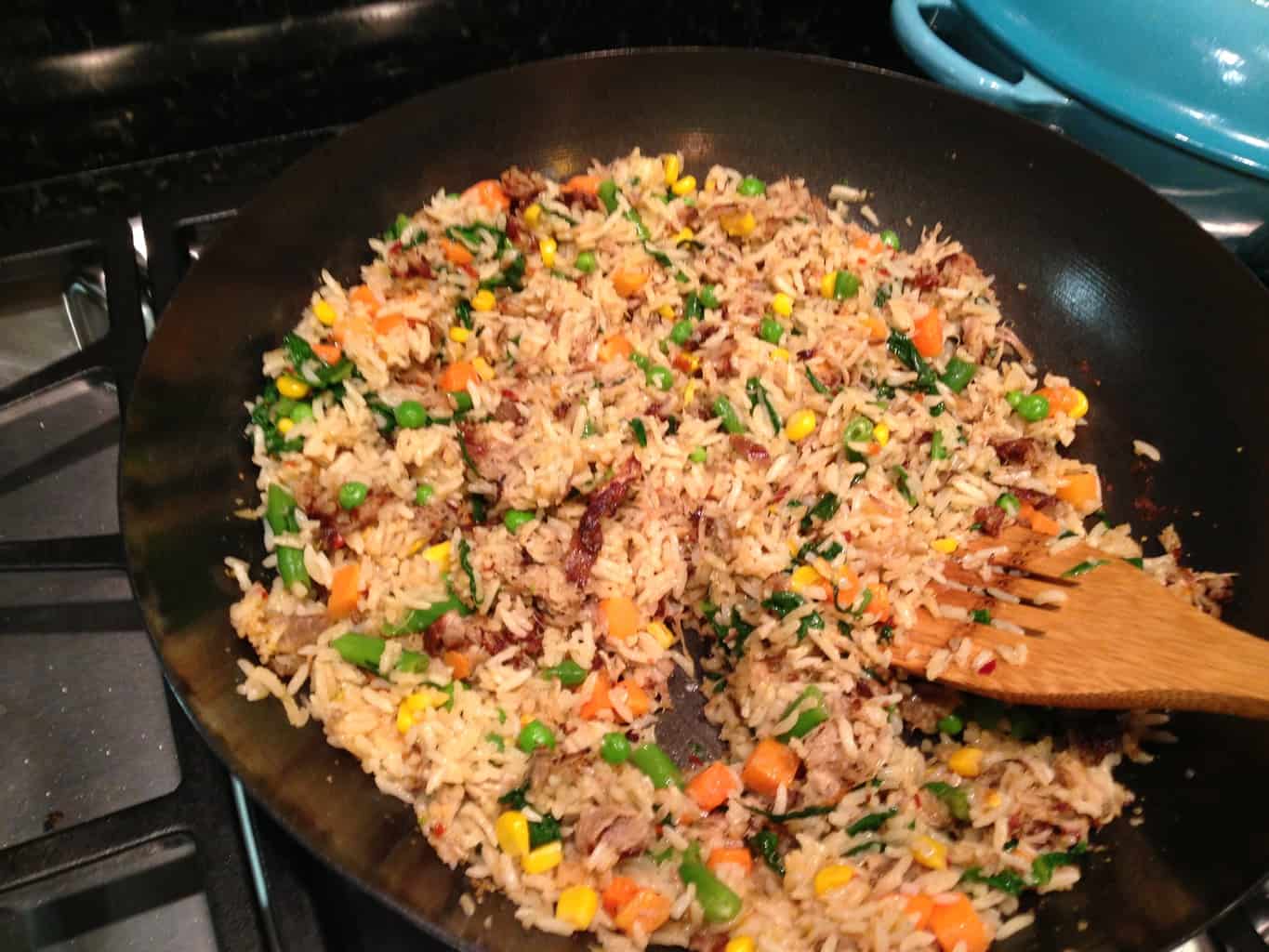
  • Or, hey!, use that leftover pork in fried rice. Super-simple, super-tasty.
  • How about pulled pork — maybe tossed with a little barbecue sauce — as a pizza topping?
  • Toss it with some potatoes, bell peppers, onion, and you have a quick hash for breakfast or dinner. Top with a fried egg to make it that much more delicious!
  • Stuff a pepper — poblano, bell, your choice — with a mix of pulled pork and quinoa (or rice). Add other veggies, like corn, as you wish.
  • Make spring rolls! Once you get the hang of working with rice paper wrappers, spring rolls take just minutes. I’ve had them with both shrimp and pork as the filling, but if you don’t have shrimp, use that leftover pork. Matchstick some veggies or shred some cabbage or lettuce. Make a spicy dipping sauce out of chili paste, or try a nice peanut sauce.
  • And, of course, you can always make yourself another sandwich. Maybe with melty cheese and roasted peppers?

How do you handle leftovers? What dish do you make just so you’ll have plenty left over for future meals?

Tip of the Week

For the nachos below, make your own tortilla chips. Traditionally, you want to cut the tortillas into six triangles; for these, cut the tortillas into thirds so they’re easy to pick up. Then season them up a bit: brush them with olive oil or spritz with cooking spray, then sprinkle a mix of salt, pepper, cumin, and paprika. Bake for 20 – 25 minutes, until crispy and brown!

Menu of the Week

I like an ooey, gooey platter of nachos as much as the next person, but when faced with all those chips and cheese and salsa, I tend to overindulge. By placing all the ingredients on a single chip, I get lots of flavor while making a serious (though sometimes losing!) attempt at portion control.

These are also perfect for dinner parties or backyard gatherings. The single-serving size is easier to handle. By quartering the tortillas, you get a larger chip base. Use leftover pulled pork (or chicken, beef, or veggies), mix with shredded cheese, and bake until hot and the cheese is melted. Top with a light salsa. Eat.

Gluten-Free Pulled Pork

I think of pulled pork as the beginning of a very good week of leftovers (see this article for ideas on what to do after you’ve made delicious pulled pork). It’s also a truly bargain dish — pork shoulder (also known as pork butt) goes on sale frequently, in quantities that make leftovers a no brainer.

If I were Southern, I suspect I’d be appalled at my version, but since I’m Californian with a full-time job, I will confess the ease of throwing pork into the crockpot and letting it simmer away all day is my idea of a good time. Walking into the house after a long day and smelling dinner? Priceless.

Since I’m committing heresy left and right with the recipe, I’ll confess to another secret: I don’t brown my pork before putting it into the crockpot. Phew! So happy to get that off my chest. I simply toss it, well seasoned (salt generously and let it sit in the refrigerator overnight), into the crockpot. The rest of the seasoning is in the braising liquid.

(Yes, pulled pork is naturally gluten-free, but some people add soy sauce to their braising liquid. I like the idea of adding that additional level of umami, but will remind you to use to GF soy sauce or tamari!)

See notes below for ideas on making pulled pork in your pressure cooker!

Latin American Corn Breads

A couple of weeks ago, I wrote about the awesome-tasting breads made with chickpea flour (and reader, I confess, I gobbled those breads so fast, I barely managed a picture!). Those breads were largely European in nature; this week, I’m turning my tastebuds to South American and Mexico.

I have three favorite corn flour, or masa harina or masa arepa, based breads to share with you. While the ingredients list is essentially the same, the three are very different. These easy-to-make breads won’t replace my beloved corn tortillas; they simply add delicious options to my dinner routine. Plus, they are naturally gluten-free, which makes them even better! Continue reading “Latin American Corn Breads”

Cachapas (Corn Pancakes)

Cachapas are a sweet and savory (and gluten free!) corn pancake from Venezuela. Traditionally, they’re eaten with a bit of butter and melted cheese (just fold them in half and enjoy!). You can customize them however you want, of course. Pulled pork, roasted vegetables, chicken — all make great fillings for your naturally gluten-free corn pancake. Adjust the size of the pancake (and cooking time) accordingly.

I like to serve mine with a simple salsa either directly over the melted cheese or as a dipping sauce on the side.

(Note: this recipe isn’t 100% authentic — I’ve developed it over time based on lots of research.)

Finding the Right Chile for Your Chili

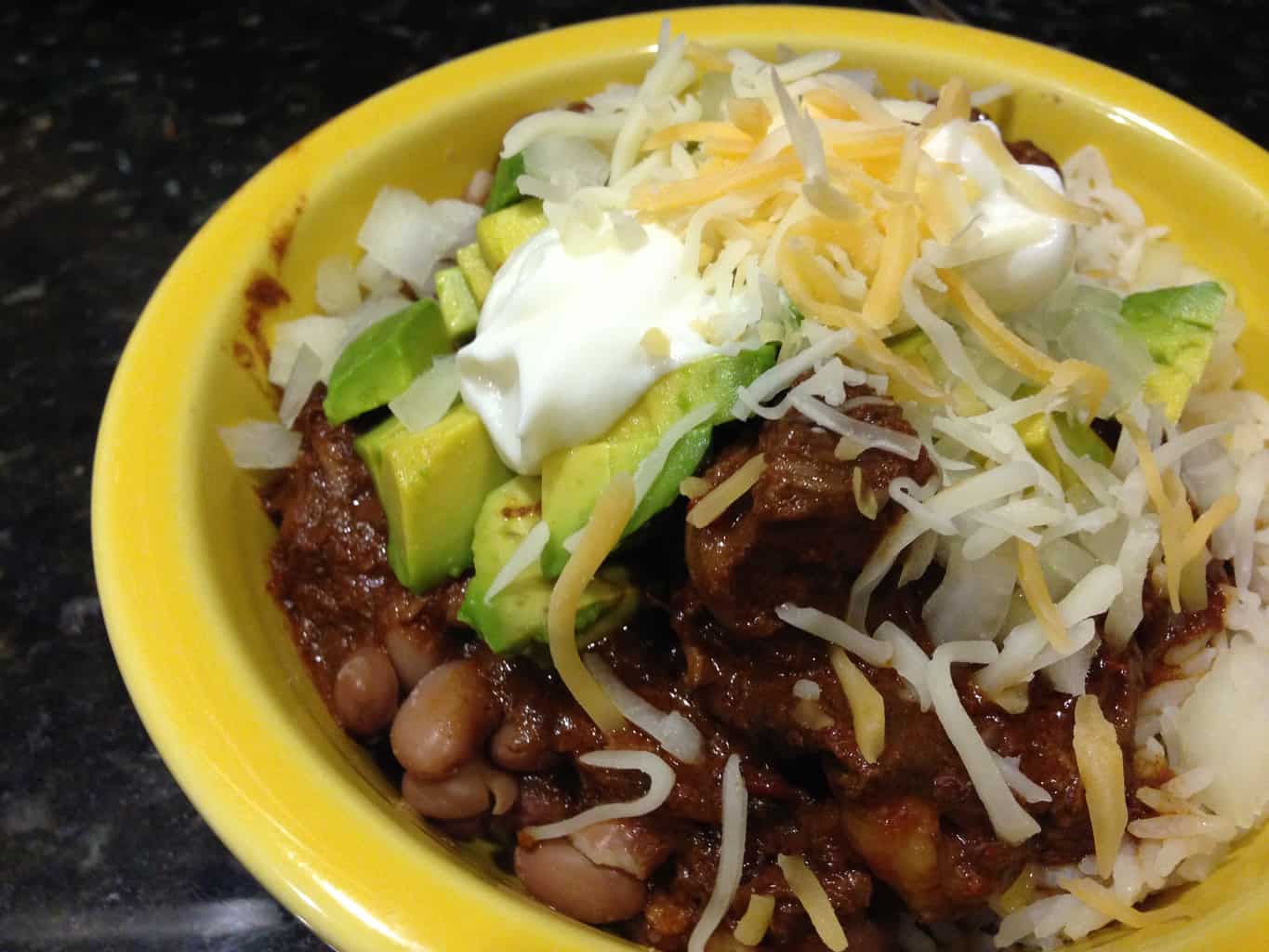
I crave chili during weather extremes — when it’s very hot or when it’s very cold. Okay, I also crave chili when I’m running late for book club and need to throw together a fast dish for the group (see: how many times has Kassia made Frito Pie featuring Amy’s amazing vegetarian and gluten-free chili in the past year?).

Seriously, chili is a great dish for parties, for dinner, for lunch, for just about any meal. It can be hot and spicy or suffused with a nice mellow heat. Best of all, with a little prep work, chili can cook away in your crockpot all day — it’s just a braise, when you get down to it — while you secretly dream of toppings while you’re pretending to work.

It makes me sad that more restaurants don’t serve gluten-free chili. As you can see from the recipe linked below, this dish really doesn’t need the addition of wheat-based ingredients! Continue reading “Finding the Right Chile for Your Chili”